
Sending money to another country used to mean one option: a bank wire, a multi-day wait, and a fee you didn’t find out about until it was gone. That’s changed. Today there are several real ways to send money abroad. The right one for you depends less on which is “best” overall, and more on your specific situation how fast you need the money to arrive, whether your recipient has a bank account, and how much you’re sending.
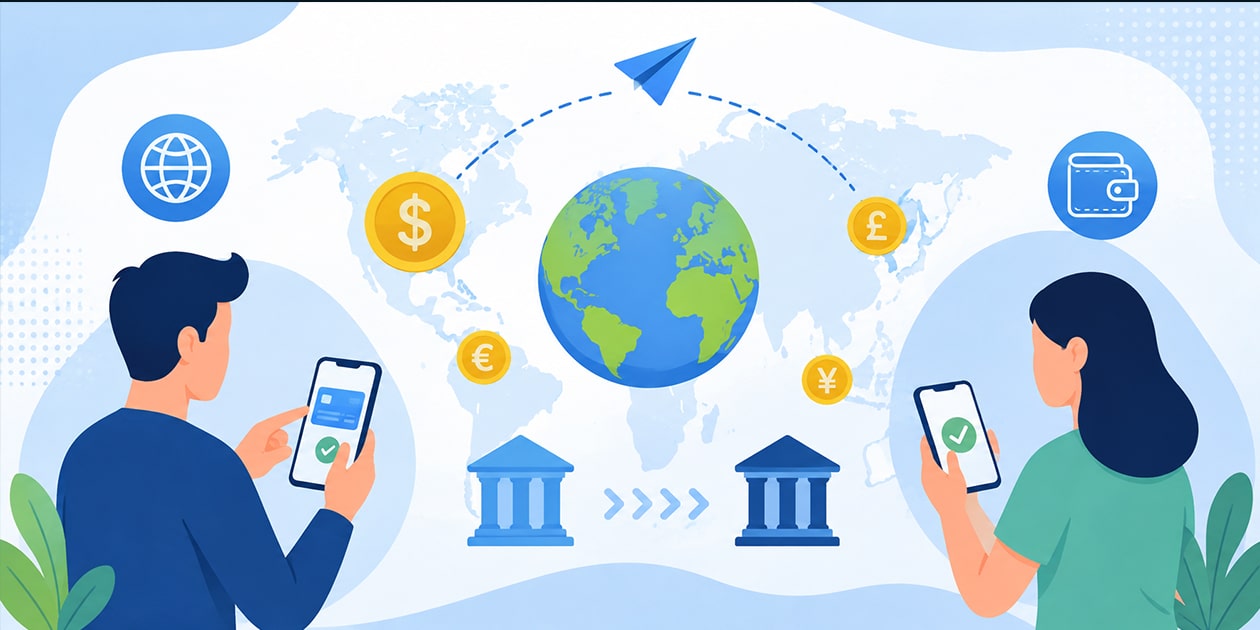
This guide walks through the real options, what they actually cost, and how to avoid the mistakes that quietly eat into what your recipient gets.
Why the Method You Choose Actually Matters
The gap between the cheapest and priciest way to send the same amount of money is bigger than most people expect. The World Bank’s Remittance Prices Worldwide database tracks the real cost of sending remittances across 365+ country corridors. Banks remain the most expensive type of provider. They average close to 15% of the amount sent, as of the most recent data. Digital-only money transfer services average closer to 3.5%. The best-priced options on a given route can fall under 3%.
On a $500 transfer, that’s the difference between losing roughly $75 to a bank and losing under $15 through a well-chosen digital service. That gap is the whole reason it’s worth spending five extra minutes comparing options before you send.

The Main Ways to Send Money Internationally
Bank Wire Transfer
A traditional wire sent through your bank, usually over the SWIFT network. It’s familiar and widely trusted. But it’s often the slowest and priciest option too. Banks often charge a flat fee on top of a wide exchange rate margin. International wires can take one to several business days to arrive. The wait depends on the corridor and any banks in between.
Best for: Large transfers where you specifically want your existing bank handling it, or corridors with limited digital alternatives.
Online Money Transfer Services
Digital-first providers include services like Wise, Remitly, Xoom, and WorldRemit. They typically charge lower fees and tighter exchange rate margins than banks. They’re built around cross-border transfers, not as a side feature. Speed varies by provider and corridor: some transfers complete within minutes, others take a day or two.
Best for: Most people, most of the time. This category consistently offers the best mix of cost, speed, and convenience across the widest range of corridors.
Cash Pickup Through Money Transfer Operators
Services like Western Union and MoneyGram let a recipient collect cash at a physical agent location. No bank account needed. This matters for the large share of remittance recipients worldwide who are unbanked or underbanked. Cash pickup used to carry a steep cost premium over bank-to-bank transfers. That gap has narrowed in recent years. Still, it’s worth comparing directly rather than assuming it’s always pricier.
Mobile Wallets
In many countries, funds can go straight into a mobile money wallet. This skips the bank account or cash pickup location. This has become one of the fastest-growing ways to pay out money worldwide. It’s especially big across Sub-Saharan Africa and parts of Asia, where mobile wallet use has outpaced traditional banking.
Cryptocurrency and Stablecoins
A newer option: send value via cryptocurrency or stablecoins, like USDC or USDT. The recipient then converts it to local currency. This can offer fast settlement and lower fees on some corridors. But it needs both sender and recipient to be comfortable with a digital asset step. The rules around it also vary a lot by country.
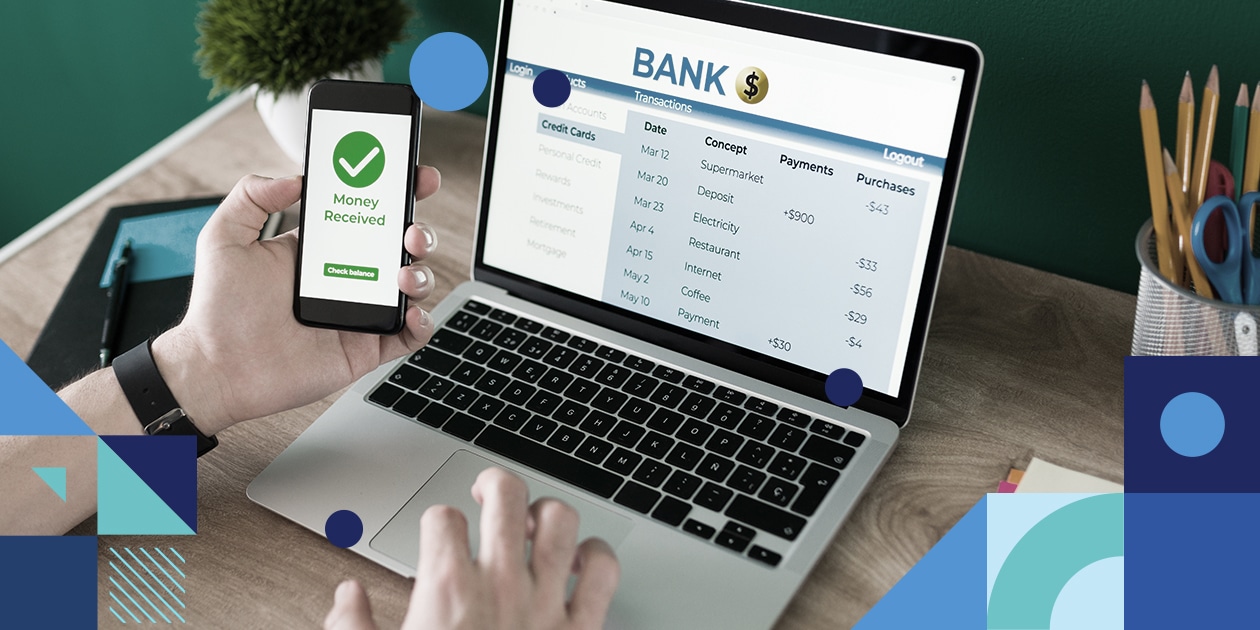
How to Send Money Internationally: Step by Step
Compare providers for your specific corridor and amount.
Fees and exchange rates vary by country pair and transfer size. The cheapest option for a $200 transfer to the Philippines isn’t necessarily the cheapest for a $5,000 transfer to Nigeria. Compare rates for your actual transfer, not a generic average.
Check the total cost, not just the “fee.”
A provider advertising “no fee” may be building its margin into a worse exchange rate instead. Look at how much your recipient actually gets, not just the line-item fee.
Confirm the delivery method your recipient can actually use.
Bank deposit, cash pickup, and mobile wallet all require something different on the receiving end. Confirm your recipient can access whichever method you choose before you send.
Verify the provider is licensed and regulated.
In the U.S., legitimate money transfer providers register as Money Services Businesses (MSBs) with FinCEN. They typically hold state-level money transmitter licenses too. The Consumer Financial Protection Bureau’s guide to sending money abroad is a good starting point for the consumer protections that apply to these transfers.
Submit the transfer and confirm the details.
Double-check the recipient’s name, account or wallet details, and the amount before confirming. International transfers are hard or impossible to reverse once sent.
Track the transfer.
Most providers offer real-time tracking with an estimated delivery window. If a transfer runs well past that estimate, contact the provider directly rather than assuming it will sort itself out.
What Actually Affects the Cost
Two separate costs combine into what you actually pay, and providers don’t always make both obvious:
- The transfer fee — a flat or percentage-based charge, clearly stated by most providers.
- The exchange rate markup — the gap between the real, mid-market exchange rate and the rate you’re actually given. This is where a lot of the real cost hides. A “$0 fee” transfer can still cost more than a competitor charging a small fee but offering a rate much closer to the true mid-market rate.
The World Bank’s data consistently shows banks carrying the widest margins on both fees and exchange rates, while digital-only providers and mobile-money-based transfers tend to run leanest. Regional cost also varies a lot: transfers to South Asia have historically been among the cheapest worldwide, while transfers to Sub-Saharan Africa have stayed among the most expensive. That gap reflects differences in market competition and financial infrastructure across regions.
Avoiding Common Mistakes and Scams
- Don’t wire money to someone you haven’t verified independently, especially in response to an urgent request, a romantic relationship that’s stayed entirely online, or a “prize” or “inheritance” you need to pay a fee to claim. Legitimate transfers aren’t typically started under pressure or secrecy.
- Double-check account and recipient details before confirming. A misdirected international transfer can be very hard to recover.
- Be skeptical of exchange rates that seem unusually good. If one provider’s rate looks a lot better than every other option for the same corridor, check that it’s not hiding a fee elsewhere or misstating the delivery timeline.
- Use registered, licensed providers. You can generally check a money transmitter’s registration status through FinCEN’s MSB registrant search or your state’s regulator.
Choosing the Right Method for Your Situation
There’s no single “best” way to send money internationally. The right choice depends on a few honest questions:
- How fast does it need to arrive? If it’s urgent, cash pickup or a fast digital transfer usually beats a bank wire.
- Does your recipient have a bank account? If not, cash pickup or mobile wallet delivery may be the only realistic options.
- How much are you sending? Larger amounts sometimes get better rates from certain providers, so it’s worth comparing specifically at your transfer size.
- How often will you be sending money? If this is a recurring transfer, a provider with lower recurring fees or a loyalty structure may save more over time than the single cheapest one-off option.
How Remit Anywhere Fits Into the Money Transfer Industry
If you’re a consumer sending money to family or friends abroad, you’ll use one of the providers or methods described above directly. Remit Anywhere isn’t a consumer-facing app. It’s the remittance software that powers the money services businesses, agent networks, and money transfer operators behind services like these. When you use cash pickup at an agent location or a mobile-first transfer service, platforms like Remit Anywhere are often part of the infrastructure making that transaction possible: agent management, compliance, and multi-channel disbursement running behind the scenes.
If you run or are building a money services business — whether that’s an agent network, a digital remittance startup, or a bank adding money transfer as a product — that’s who Remit Anywhere’s platform is actually built for. For more on how newer disbursement methods fit into that infrastructure, see our post on NFC and contactless payments for remittance businesses.

Frequently Asked Questions
1. What’s the cheapest way to send money internationally?
It depends on the specific corridor and amount. But digital-only money transfer services consistently average lower total costs than banks, according to World Bank data. Always compare rates for your specific transfer rather than relying on a general rule.
2. How long does an international money transfer take?
It varies by method and provider. Bank wires typically take one to several business days. Many digital transfer services finish within minutes to a day, depending on the corridor and payout method.
3. Is it safe to send money internationally online?
Yes, when you use a licensed, regulated provider. Verify the provider is a registered Money Services Business. Check reviews and regulatory status before sending, especially with a provider you haven’t used before.
4. What information do I need to send money abroad?
Typically the recipient’s full name, and depending on the delivery method: a bank account and routing/SWIFT details for bank deposit, or just a name and location for cash pickup, or a mobile wallet number for wallet-based delivery.
5. Can I send money internationally without a bank account for my recipient?
Yes. Cash pickup through a money transfer operator and mobile wallet delivery both work without the recipient holding a traditional bank account.
6. Why do banks charge more than other providers for international transfers?
Banks generally build a wider margin into both their fees and their exchange rates, compared to services built specifically around cross-border transfers. World Bank Remittance Prices Worldwide data has consistently found banks to be the most expensive provider category.
Running a Money Transfer Business? Let’s Talk.
If you’re building or scaling a money services business and need a platform that handles agent management, compliance, and multi-channel disbursement in one system, request a demo to see how Remit Anywhere fits your operation. Have general questions first? Check our FAQ page or contact our team.