
Scan a code, confirm an amount, done. That’s the whole transaction for millions of people now at a coffee shop counter, a parking meter, or a remittance agent location on the other side of the world. QR code payments have moved from a pandemic-era convenience to one of the default ways people move money, and that shift matters directly for banks, fintechs, and remittance businesses deciding how customers should pay and get paid.
This guide breaks down how QR code payments actually work, where they create real value for a money transfer business, and the fraud risks that come with them.
What Are QR Code Payments?
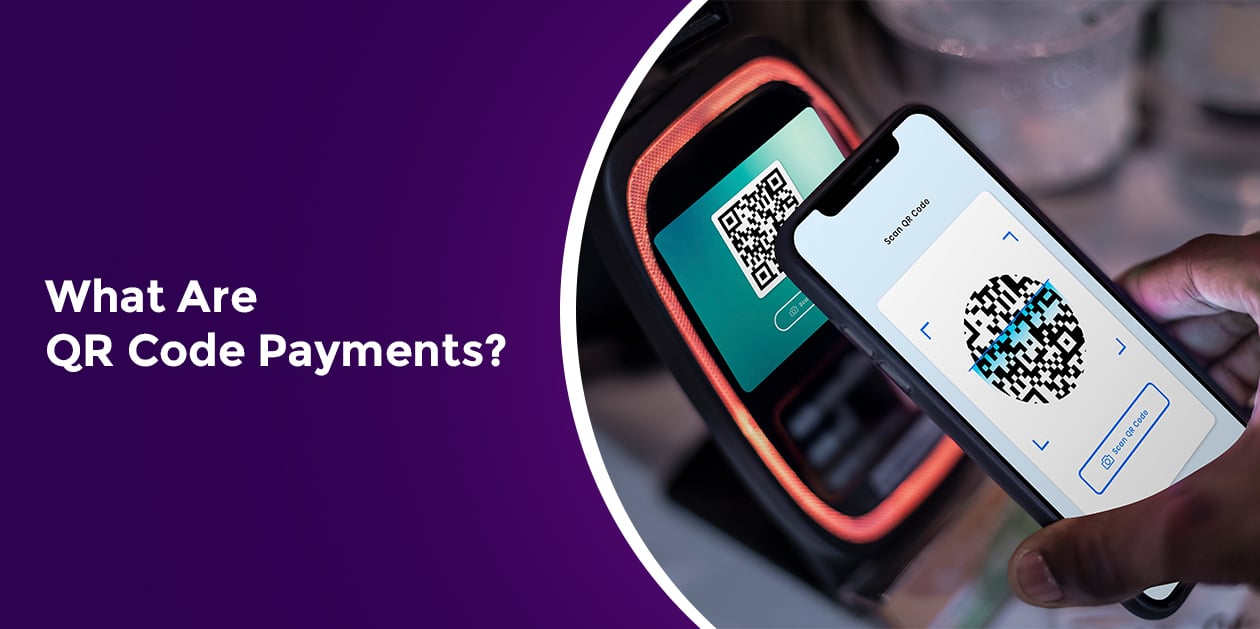
A QR code payment is a transaction initiated by scanning a two-dimensional barcode with a smartphone camera instead of swiping, tapping, or typing in card details. The code encodes payment information, a merchant ID, an amount, an account, or a payment link that a banking or wallet app reads and processes.
Unlike a contactless card or NFC tap, a QR code payment needs no dedicated point-of-sale hardware. Any smartphone camera and a compatible app can complete the transaction, which is a large part of why QR payments spread so quickly in markets where card terminals are expensive or scarce.
How Do QR Code Payments Work?
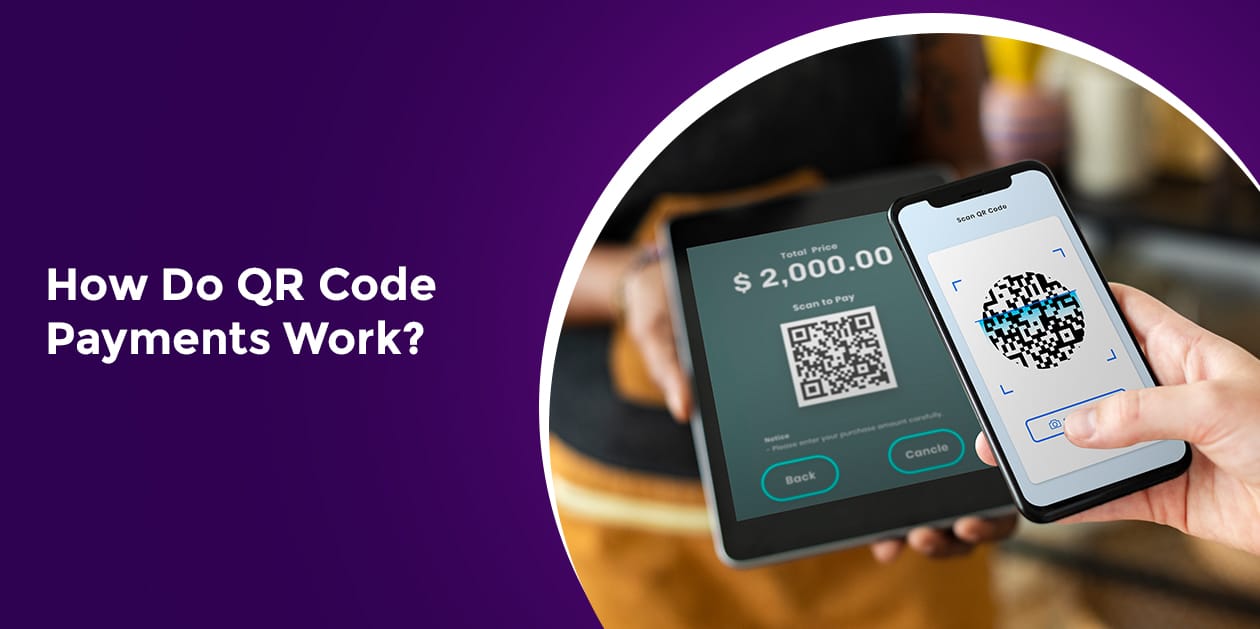
EMVCo, the standards body that governs EMV chip and contactless payment specifications, defines two QR code payment modes:
- Consumer-presented mode (CPM): The customer displays a QR code on their phone, generated by their banking or wallet app, and the merchant scans it with a POS scanner or a second device. This mirrors how a card-present chip transaction works.
- Merchant-presented mode (MPM): The merchant displays a QR code on a printed sign, a till screen, or a sticker and the customer scans it with their own phone to initiate the payment.
Both modes route the transaction through existing banking and card-network rails once the code is scanned; the QR code itself is just the mechanism for exchanging payment details. EMVCo’s specifications exist so a single QR code can work across multiple payment programs and providers instead of each bank or wallet needing its own proprietary format.
QR codes used for payments also come in two flavors:
- Static codes encode fixed information about a merchant’s account details, for example and don’t change between transactions. The customer typically has to enter the amount manually.
- Dynamic codes are generated per transaction and already encode the amount, so scanning and confirming is the entire flow.
Benefits of QR Code Payments
Low cost of entry. A merchant or agent needs a printed code, not a card terminal. For remittance and money transfer businesses expanding into new corridors, this removes one of the biggest infrastructure costs of standing up a physical payout location.
Faster checkout. Dynamic QR codes remove manual entry errors and cut transaction time, particularly for high-volume, low-ticket payments. Works across the banking-unbanked line. QR payments run on a smartphone and a bank or wallet app rather than a physical card, which matters in markets where card penetration is low but smartphone penetration is high.
Real-world scale example. India’s Unified Payments Interface (UPI) much of which is initiated through QR codes, processed 23.2 billion transactions worth roughly $312 billion in May 2026 alone, a 19% year-over-year increase in value, according to data released by the National Payments Corporation of India. That scale illustrates what’s possible when a QR-based rail becomes the default way a population pays a pattern remittance providers are watching closely as other markets build out similar interoperable QR schemes.
Lower fraud exposure than card skimming. Because no physical card or number changes hands, QR payments close off skimming and card-cloning attack paths though they open a different fraud category, covered below.
QR Code Payments in Cross-Border Money Transfer
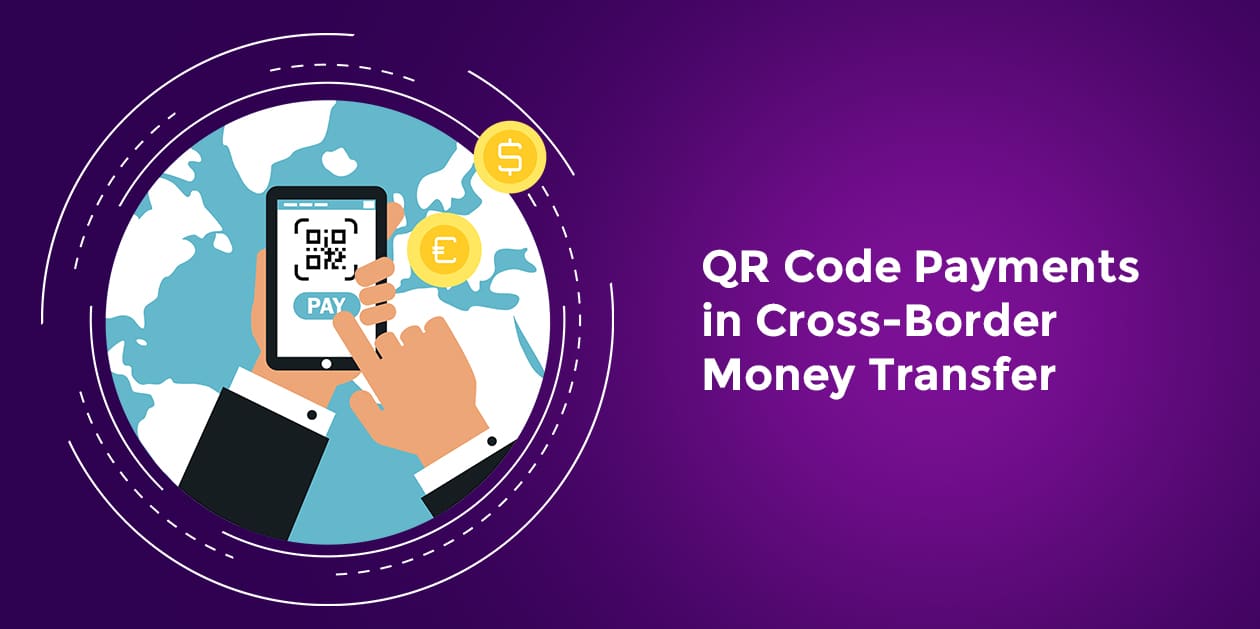
For a money transfer business, QR codes show up in a few specific places:
- Agent and cash-pickup locations. A recipient can be issued a QR code tied to a specific transfer, which an agent scans to release funds removing the need for printed pickup slips or manual ID lookups at the counter.
- P2M (person-to-merchant) remittance. Instead of a recipient withdrawing cash, funds sent through a remittance platform can settle directly into a merchant or biller QR payment, skipping the cash-out step entirely.
- Agent network onboarding. New agents can be brought onto a network with a QR-based registration and settlement flow rather than a physical terminal rollout, which lowers the cost of expanding into a new corridor.
This is part of a broader shift in how money moves that we’ve covered before from cash and paper checks to cards, digital wallets, and NFC-based contactless payments. QR codes are the latest stage in that progression, and one of the cheapest to deploy at scale. RemitAnywhere’s money transfer software supports the agent, mobile, and web workflows that QR-based payout and onboarding depend on, so a business isn’t stitching QR support onto infrastructure that wasn’t built for it.
Risks of QR Code Payments
“Quishing” QR phishing. The Federal Trade Commission has warned that scammers place fraudulent QR code stickers over legitimate ones on parking meters, event signage, and payment displays that redirect victims to fake sites designed to steal payment details or install malware. Because the destination URL is hidden until the code is scanned, this is a harder scam for consumers to spot than a standard phishing link.
Code tampering at the point of payment. A malicious sticker over a legitimate merchant-presented code is cheap to produce and easy to place, which makes physical QR displays a soft target compared to a card terminal that’s harder to swap out unnoticed.
No standardized visual trust signal yet. Unlike a card network logo, most consumers can’t tell a legitimate QR code from a fraudulent one just by looking at it. EMVCo’s QR Payment Mark is meant to solve this, but adoption isn’t universal, so the burden still falls on the customer to verify a destination before entering payment information.
Interoperability gaps. Not every QR scheme talks to every wallet or bank app. A business operating across several markets needs to confirm which QR standards its payment partners actually support rather than assuming one code works everywhere.
Dependence on the underlying rail. A QR code is just the delivery mechanism; the security and reliability of the payment still depend on the settlement rail and provider behind it. A weak KYC or fraud-monitoring layer on the backend isn’t fixed by switching to QR-based initiation.
How Businesses Can Reduce QR Payment Risk
- Use dynamic, transaction-specific codes wherever possible instead of static codes that don’t expire or change.
- Physically secure printed QR displays (tamper-evident materials, regular visual audits of agent locations) so a swapped sticker is easy to catch.
- Pair QR-initiated payments with the same KYC, AML, and transaction-monitoring controls used for other payment methods QR is an initiation channel, not a compliance shortcut.
- Educate customers and agents to preview the destination URL before confirming a payment, per FTC guidance.
Frequently Asked Questions
1. How do QR code payments work?
A QR code encodes payment information an account, amount, or payment link that a banking or wallet app reads when scanned. The transaction then processes through the same banking and card-network rails as other digital payments.
2. Are QR code payments safe?
They can be as safe as any other digital payment method when the underlying provider has strong fraud and compliance controls, but they carry a specific risk: fraudulent codes placed over legitimate ones to redirect victims to fake payment pages, a scam known as “quishing.”
3. What’s the difference between static and dynamic QR codes?
A static QR code encodes fixed information and doesn’t change between transactions, so the payer often enters the amount manually. A dynamic QR code is generated per transaction and already includes the amount, which is faster and reduces entry errors.
4. Can QR code payments be used for cross-border money transfers?
Yes. QR codes are increasingly used for agent-based cash pickup, merchant payouts, and agent onboarding in remittance networks, since they need no dedicated hardware to deploy in a new location or corridor.
5. Do QR code payments require a bank account?
It depends on the app. Many QR payment systems connect to a bank account, but some link to a mobile wallet that doesn’t require one, which is part of why QR payments have grown quickly in markets with lower banking penetration.
6. How can I tell if a QR code is fake?
There’s no foolproof visual check, but the FTC recommends previewing the destination URL before opening it, avoiding QR codes in unexpected texts or emails, and checking physical codes for signs of a sticker placed over the original.
Bring QR-Ready Payment Infrastructure to Your Remittance Business
QR code payments are becoming a standard expectation for agents, merchants, and recipients across cross-border payment corridors not a niche feature. If your platform can’t support QR-based payout, onboarding, or merchant settlement, that’s a gap competitors are already closing.
Explore RemitAnywhere’s remittance software to see how a white-label money transfer platform supports QR, mobile, agent, and web payment flows in one system, or compare plans to find the right fit for where your business is today.