
When fintech teams evaluate remittance software, the first question they usually ask is: does it support our corridors? The better question — the one that separates systems that scale from ones that collapse is: does it have all the right components, and do those components actually talk to each other correctly?
This guide is a complete breakdown of the key components of remittance software, covering what each module does, how it connects to the rest of the system, and what happens when critical components are missing or poorly integrated. Whether you are evaluating a remittance platform, building one from scratch, or auditing an existing system, this is the reference you need.
What Is a Remittance Software System?
A remittance software system is the complete technology infrastructure that enables individuals or businesses to send money across borders. It handles every step of the transfer from the moment a user enters the recipient’s details on a frontend interface to the moment funds are deposited into the recipient’s bank account or mobile wallet in another country.
Unlike a standard domestic payment system, remittance software must simultaneously manage foreign exchange (FX) conversion, multi-rail international routing, regulatory compliance across multiple jurisdictions, real-time AML and KYC screening, and correspondent banking integrations. Each of these responsibilities corresponds to a specific component and the system’s reliability is a direct product of how well those components are designed and interconnected.
The modules of a money transfer system are not independent tools. They are tightly coupled services that must operate in a defined sequence, share data reliably, and fail gracefully without corrupting the transaction record.
High-Level System Overview
Before diving into individual remittance system modules, it helps to understand the shape of the system as a whole. A production-grade remittance platform is not a single application — it is a coordinated stack of specialised services, each with a defined role and a defined set of integrations.
At the highest level, the system flows in one direction: the user interacts with the frontend, the frontend talks to the backend through the API layer, the backend delegates financial processing to the payment gateway, the gateway pushes funds through banking integration rails, and the settlement system finalises delivery. Running in parallel throughout this entire flow is the compliance system, monitoring every step for regulatory risk.

Component Stack Framework
Frontend Backend API Layer Processing Banking Compliance
This framework maps directly to the nine core remittance software components detailed in the next section. Understanding which component sits in which stack position is essential for diagnosing bottlenecks, planning integrations, and designing for scale.
Core Components of Remittance Software
The following nine components form the complete architecture of a production remittance platform. Each is described by its role, how it operates, and where it connects within the larger system. These are the remittance system features that no serious platform can omit.
1. User Interface (Frontend)
Role
The frontend is the user-facing layer of the remittance platform. It is where senders initiate transfers, enter recipient details, view exchange rates, track transaction status, and manage their account.
How it works
The frontend captures user inputs, sender details, recipient bank or wallet information, transfer amount, and payment method and packages them as structured API requests. It does not process any financial logic. The interface handles input validation, session management, and real-time display of FX rates and fee estimates fetched from the backend.
Where it connects
The frontend connects exclusively to the API Integration Layer. It sends authenticated HTTPS requests and receives structured responses. No direct communication with the backend core, payment gateway, or banking rails should ever originate at the frontend layer.
2. Backend Processing System
Role
The backend is the operational core of the remittance software. It contains the business logic that governs every step of the transaction lifecycle, from initial request validation through to settlement confirmation.
How it works
Modern remittance backends are built as microservices independently deployable services that each own a specific domain. The transaction engine orchestrates the flow, calling the FX engine for rate locking, the compliance engine for screening, the ledger service for record-keeping, and the notification service for status updates. Services communicate via message queues (such as Apache Kafka) for asynchronous events and direct HTTP or gRPC calls for synchronous operations.
Where it connects
The backend receives requests from the API layer, dispatches instructions to the payment gateway and settlement system, and feeds event data into the compliance and transaction monitoring systems. The backend also writes every state change to the ledger database, creating the immutable record that compliance teams and auditors rely on.
3. API Integration Layer
Role
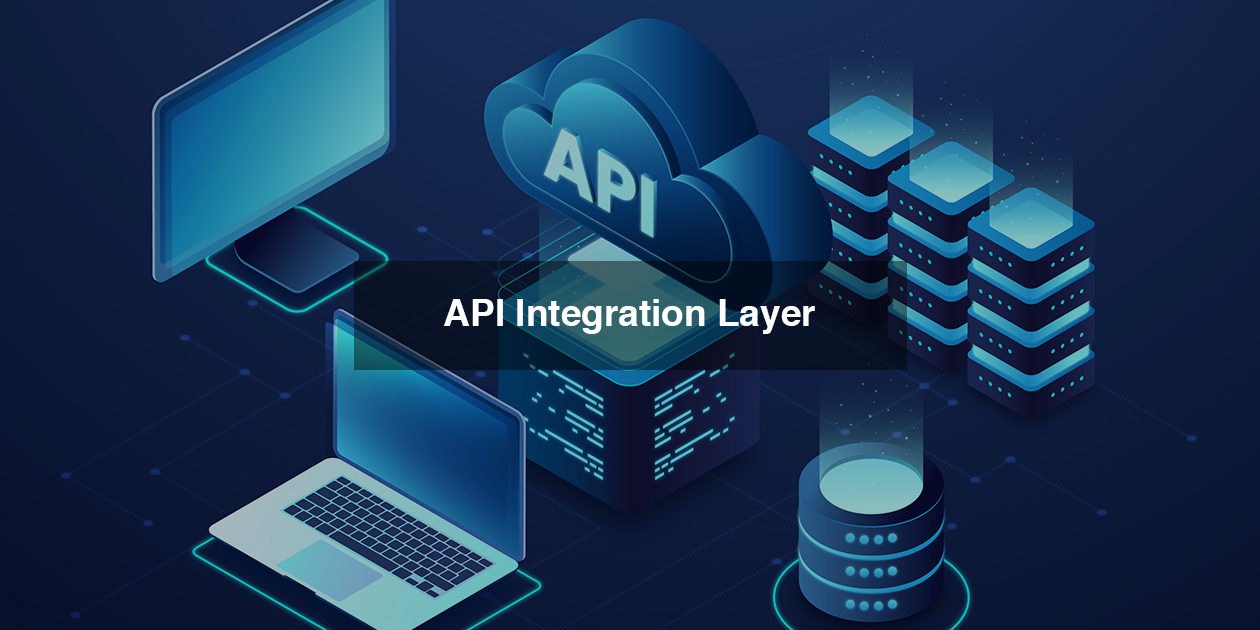
The API Integration Layer is the system’s gateway controller. It sits between the frontend and the backend, managing authentication, request routing, rate limiting, and data transformation.
How it works
All client requests from the web app, mobile app, or third-party partner integrations enter the system through the API layer. The API gateway validates authentication tokens (OAuth 2.0 or JWT), enforces rate limits per customer tier, logs the incoming request for audit purposes, and routes it to the appropriate backend microservice. It also handles response formatting, error normalisation, and API versioning.
Where it connects
The API layer connects the frontend (and external partner APIs) to the backend processing system. It is also the point at which webhook callbacks from banking partners and payment processors re-enter the system with status updates.
4. Payment Gateway
Role
The payment gateway handles the collection of funds from the sender. It is the interface between the remittance platform and the card networks, bank debit systems, and digital wallets that senders use to fund their transfers.
How it works
When a sender chooses to fund their transfer via debit card, credit card, or Open Banking bank transfer, the payment gateway processes the authorisation request. It communicates with the card issuer or bank, receives authorization, and returns a token to the backend. The actual fund movement from the sender’s account to the platform’s settlement account is triggered upon authorisation confirmation. The payment gateway also handles 3D Secure authentication, decline management, and retry logic.
Where it connects
The payment gateway receives payment instructions from the backend processing system and connects externally to Visa, Mastercard, banking Open Banking APIs (PSD2 in Europe), and digital wallets. Authorisation results are returned to the backend, which updates the ledger and triggers the next step in the transaction flow.
5. Banking Integration
Role
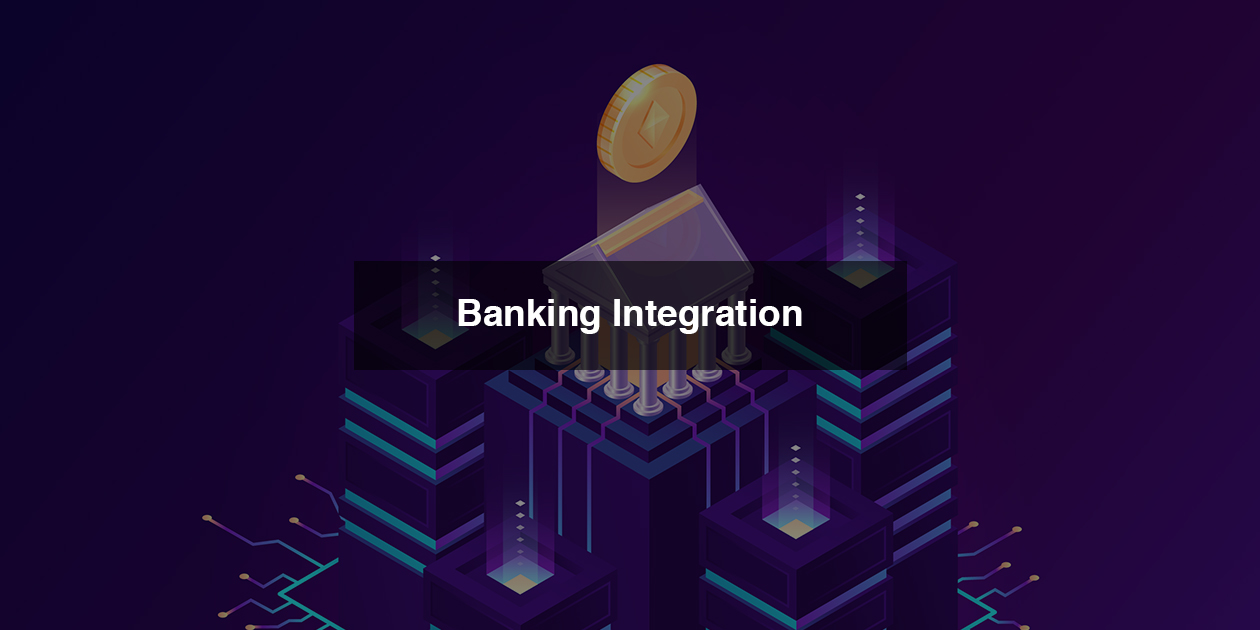
Banking integration connects the remittance platform features to the correspondent banking network and local payout rails that deliver funds to the recipient. This is the component that determines which corridors the platform can serve and how quickly it can deliver.
How it works
The banking integration layer acts as a universal adapter, translating the platform’s internal payout instructions into the message formats required by each external rail. For international bank transfers, it generates SWIFT MT103 messages. For euro-zone transfers, it uses SEPA credit transfer formats. For US domestic payouts, it initiates ACH transactions. For real-time local delivery, it connects to country-specific instant payment schemes such as UPI in India, PromptPay in Thailand, or PIX in Brazil. The component also handles mobile money payouts via M-Pesa, Orange Money, and similar networks in Africa and Southeast Asia.
Where it connects
Banking integration receives payout instructions from the backend after the FX engine has confirmed the conversion and the settlement system has confirmed fund availability. Settlement confirmations flow back from correspondent banks into the backend via webhook or polling, updating the transaction status in the ledger.
6. FX Engine
Role
The FX (foreign exchange) engine manages currency conversion one of the most financially sensitive operations in a remittance system. It determines the rate a customer receives, the margin the platform retains, and the conversion amount sent to the correspondent bank.
How it works
The FX engine pulls live exchange rates from one or more liquidity providers, applies configured margin per currency corridor, and publishes a customer-facing rate to the frontend for quote display. When a transaction is initiated, the FX engine locks the rate for a defined window (typically 30 to 120 seconds), ensuring the customer receives the quoted amount regardless of market movement during processing. The engine logs the mid-market rate, the applied margin, and the locked rate against each transaction ID for reconciliation and regulatory reporting.
Where it connects
The FX engine feeds rate data to the frontend (for quote display) and is invoked by the backend processing system at the point of transaction confirmation. It passes the locked conversion rate and converted amount to the settlement system and banking integration layer for payout execution.
7. Settlement System
Role
The settlement system is responsible for the final financial clearing of each transaction confirming that funds have moved from the platform’s accounts to the recipient’s account and that the platform’s own position with correspondent banking partners is correctly maintained.
How it works
Settlement operates in two phases. The first phase is pre-funding confirmation: before initiating a payout, the settlement system verifies that the platform holds sufficient funds in the relevant nostro account with the correspondent bank. The second phase is post-delivery reconciliation: once the correspondent bank confirms delivery, the settlement system updates the ledger, reconciles the platform’s internal accounts, and triggers any deferred fee captures. For high-volume corridors, the settlement system also manages net settlement batching multiple individual payouts into a single interbank transfer to reduce transaction costs.
Where it connects
The settlement system connects to the banking integration layer (to confirm fund availability and receive delivery confirmations), the ledger service (to post reconciled entries), and the FX engine (to confirm that pre-funded amounts match post-conversion figures). It also feeds data into regulatory reporting for end-of-day position reporting.
8. Compliance System (AML/KYC)
Role
The compliance system enforces the regulatory obligations that every licensed remittance operator must meet. Its two primary functions are Know Your Customer (KYC) identity verification and Anti-Money Laundering (AML) screening both of which must run on every transaction, not just at account opening.
How it works
KYC runs at the point of user registration and again when a transaction exceeds the customer’s verified limit tier. It involves identity document verification (passport, national ID, driving licence), facial recognition matching against the submitted document, proof-of-address validation, and ongoing monitoring of the customer’s risk profile. AML screening runs at transaction initiation and checks the sender and recipient against global sanctions lists OFAC, UN, EU, and HMT as well as Politically Exposed Person (PEP) databases and adverse media sources. The compliance system also enforces jurisdiction-specific transaction limits and reporting thresholds, automatically filing Suspicious Activity Reports (SARs) or Currency Transaction Reports (CTRs) where required.
Where it connects
The compliance system receives customer and transaction data from the backend processing system. It runs KYC checks in coordination with the user management service and AML checks as a parallel process during transaction initiation. Its decisions to approve, flag, or block are returned to the backend transaction engine. The compliance system also feeds data into the transaction monitoring system for ongoing behavioural analysis.
9. Transaction Monitoring System
Role
The transaction monitoring system provides ongoing, post-approval surveillance of transactions and customer behaviour. While the compliance system screens individual transactions at the point of initiation, the monitoring system looks at patterns across transactions and over time identifying anomalies that no single-transaction check would catch.
How it works
The transaction monitoring system applies a combination of rule-based triggers (velocity limits, unusual corridor usage, round-number transfers, structuring patterns) and machine learning models trained on historical transaction data to identify suspicious behaviour. When an alert fires, the system queues a case for compliance team review, suspends further transactions from the flagged account where required, and logs the alert for regulatory audit purposes. High-severity alerts can trigger automated transaction holds without human review.
Where it connects
The transaction monitoring system ingests data from the backend ledger (all completed transactions), the compliance system (KYC tier and risk profile per customer), and the banking integration layer (settlement confirmations). Alerts generated by the monitoring system flow into the compliance case management interface and, where legally required, into regulatory reporting pipelines.
How These Components Work Together

Understanding each remittance system component in isolation is useful. Understanding how they interact in sequence is where the real architectural insight lies. The following is the complete transaction path — from user action to recipient delivery showing exactly which component is active at each stage.
| Component Active | What Happens |
| User Interface (Frontend) | The sender enters recipient details, transfer amount, and selects a payment method. The frontend validates input format and displays an FX rate quote fetched from the backend. |
| API Integration Layer | The frontend packages the request and sends it to the API gateway. The gateway authenticates the session, applies rate limiting, logs the request, and routes it to the backend transaction engine. |
| Backend Processing System | The transaction engine creates a transaction record with a unique ID, invokes the FX engine to lock the exchange rate, and simultaneously triggers the compliance system for KYC and AML checks. |
| Compliance System (AML/KYC) | KYC status is verified against the stored customer record. Sanctions screening runs against OFAC, UN, and HMT lists. If the transfer exceeds the customer’s verified tier limit, enhanced due diligence is triggered. |
| Payment Gateway | With compliance cleared, the payment gateway processes the sender’s debit card charge, bank debit, or wallet deduction. An authorization token is returned to the backend and recorded on the ledger. |
| FX Engine | The locked exchange rate is applied to the collected amount. The converted destination-currency amount, the applied margin, and the mid-market reference rate are all logged against the transaction ID. |
| Settlement System | The settlement system confirms that pre-funded liquidity is available in the relevant nostro account before releasing the payout instruction to the banking integration layer. |
| Banking Integration | The payout instruction is transmitted to the correspondent bank or mobile money network in the destination country via SWIFT, SEPA, ACH, or local real-time rail. Delivery confirmation is received asynchronously. |
| Transaction Monitoring System | The completed transaction is logged to the monitoring system. Behavioural rules and ML models run post-delivery checks. Any anomalies generate alerts for the compliance team. |
| Backend + Frontend | Settlement confirmation updates the transaction status in the ledger. The notification service sends delivery alerts to sender and recipient. The frontend reflects the completed status in the user’s transaction history. |
Component Interaction Framework
The remittance system features listed above only delivers value when components interact in the correct sequence and with the correct dependencies. The following framework defines the canonical data flow and the interaction rules that govern a compliant, production-grade remittance platform.
Data Flow Framework
Input → Processing → Routing → Settlement → Output
Interaction Rules
The frontend must never communicate directly with the payment gateway or banking integration layer. All requests must route through the API layer.
The compliance system must run before payment collection is authorised. Compliance clearance is a prerequisite for gateway activation, not a parallel optional check.
The FX engine rate lock must be confirmed before the settlement system releases a payout instruction. Rate drift between quote and settlement is a reconciliation and customer trust risk.
The settlement system must verify nostro account balance before initiating any payout through the banking integration layer. Insufficient pre-funding is the leading cause of failed remittance deliveries.
The transaction monitoring system must receive data from every component post-completion. Monitoring that only sees gateway data and not ledger, compliance, and banking confirmation data produces systematically blind alerts.
All components must write state changes to the shared ledger service using the original transaction ID. This is the mechanism that allows cross-component tracing for dispute resolution and regulatory audit.
Common Missing Components
Knowing what modules are required for remittance software is one thing. Knowing which ones are most commonly missing and what the consequences are is what separates system architects from product managers with a checklist. The following are the most frequent remittance system architecture gaps observed in live platforms.
No dedicated FX Engine — FX handled ad hoc in the backend
When FX logic is embedded in the backend transaction service rather than isolated in a dedicated engine, rate locking becomes unreliable, margin configuration is inflexible per corridor, and reconciliation between quoted and settled amounts breaks down at scale. Platforms without a proper FX engine consistently show higher FX-related dispute rates and margin leakage.
No Transaction Monitoring System — compliance relies solely on KYC
KYC at registration and AML at transaction initiation catch a category of risk. Ongoing behavioural monitoring catches a completely different category structuring, account takeover, and mule network activity that is invisible at the point-in-time screening level. Platforms without a transaction monitoring component have a systematically incomplete compliance posture.
Settlement System absent — settlement logic embedded in banking integration
When settlement logic is not a separate component, pre-funding verification is skipped or handled manually, net settlement is not possible, and end-of-day reconciliation is done by spreadsheet. This is sustainable at low volumes and catastrophic above them.
API layer absent — frontend calls backend directly
Direct frontend-to-backend communication is the most common architectural mistake in early-stage remittance platforms. It eliminates authentication centralisation, makes rate limiting impossible, breaks partner API extensibility, and creates a security surface that is extremely difficult to harden retroactively.
Compliance system runs synchronously on the transaction thread
A compliance system that blocks the entire transaction thread while running KYC and AML checks becomes the bottleneck under load. The correct architecture runs most checks in parallel, with only critical sanctions screening blocking the transaction flow. Platforms that do not make this distinction consistently see transaction latency spike during compliance check peaks.
No separation between the ledger service and the transactional database Storing audit records in the same database as live transaction data creates both a compliance risk (regulatory records can be affected by data operations) and a performance risk (audit queries compete with live transaction reads). A separate, immutable ledger service is not optional it is a regulatory expectation in most licensed remittance jurisdictions.
Scalability Considerations
A remittance platform features built with all nine components correctly integrated will still fail at scale if the components are not designed with scalability as a primary constraint. The following are the architectural principles that allow remittance software components to grow with transaction volume without requiring a system rebuild.
Stateless Microservices:
Every backend microservice the transaction engine, FX engine, compliance system, notification service must be stateless. Stateless services can be horizontally scaled by adding instances without requiring shared in-memory state, making them resilient to traffic spikes in any single component.
Event-driven inter-service communication:
Using Apache Kafka or RabbitMQ for asynchronous inter-service messaging creates a natural load buffer. If the transaction monitoring system temporarily falls behind, it consumes from the event queue at its own pace without blocking the transaction engine.
FX rate pre-caching:
The FX engine must pre-fetch rates on a scheduled interval and cache them in Redis. Calling a liquidity provider API per transaction adds 50 to 200ms of latency per transfer and introduces a hard dependency on a third-party API in the critical path. Cached rates with threshold-based invalidation are the production standard.
Read replicas for the ledger database:
Transaction status queries, balance checks, and audit reads should route to database read replicas, not the primary write node. At high volume, read contention on the primary database is one of the most common causes of platform slowdown.
Idempotent operations throughout the payment flow:
Every payment gateway call, banking integration instruction, and settlement request must carry an idempotency key tied to the transaction ID. Network failures that trigger retries must not result in duplicate charges or duplicate payouts. This is a correctness requirement, not an optimisation.
Circuit breakers on all external integrations:
Every connection from the banking integration layer and payment gateway to an external service must be wrapped in a circuit breaker. If SWIFT connectivity degrades or a mobile money network times out, the circuit breaker prevents cascading timeouts from propagating through the transaction engine.
Frequently Asked Questions
1. What are components of remittance system?
The key components of remittance software are the user interface (frontend), backend processing system, API integration layer, payment gateway, banking integration, FX engine, settlement system, compliance system (AML/KYC), and transaction monitoring system. Each serves a distinct architectural role, and all nine must be present and correctly integrated for a platform to operate reliably at scale.
2. What modules are required for remittance software to be compliant?
At a minimum, modules of money transfer system, the compliance system (covering both AML screening and KYC identity verification) are required for regulatory compliance. The compliance system handles point-in-time screening at transaction initiation; the transaction monitoring system provides ongoing behavioural surveillance. Both are required by financial regulators in all major licensing jurisdictions.
3. What is the difference between a payment gateway and banking integration in remittance software?
The payment gateway handles fund collection from the sender processing debit cards, credit cards, and Open Banking bank debits to move funds from the sender’s account to the platform’s account. Banking integration handles fund delivery to the recipient — transmitting payout instructions via SWIFT, SEPA, ACH, or local payment rails to correspondent banks and mobile money networks in the destination country.
4. Why does a remittance platform need a dedicated FX engine?
Without a dedicated FX engine, exchange rate logic is embedded directly in the backend, making it difficult to configure corridor-specific margins, lock rates reliably during transaction processing, reconcile quoted vs settled amounts, and feed rate data to the frontend for quote display. A dedicated FX engine separates these responsibilities cleanly, reducing margin leakage and improving reconciliation accuracy.
5. What is the role of the settlement system in a remittance platform?
The settlement system manages the financial position of the platform across its correspondent banking relationships. It verifies that pre-funded liquidity is available before initiating each payout, processes delivery confirmations from correspondent banks, reconciles the platform’s internal ledger, and enables net settlement batching multiple individual payouts into a single interbank transfer to reduce transaction costs at scale.
6. How do remittance system components interact in a real transaction?
In a real transaction, the user interacts with the frontend, which sends an authenticated request through the API layer to the backend. The backend invokes the FX engine to lock a rate, triggers the compliance system for AML and KYC checks, and instructs the payment gateway to collect funds. Once cleared and funded, the settlement system verifies liquidity and the banking integration layer transmits the payout instruction. The transaction monitoring system logs the completed transfer for post-delivery surveillance.
7. Can remittance software components be replaced or upgraded independently?
Yes — this is one of the primary advantages of a microservices-based remittance architecture. Each component communicates through well-defined interfaces (API contracts, event schemas), which means replacing a payment gateway provider, upgrading the FX engine, or adding a new banking integration does not require changes to other components, provided the interface contract is maintained.
Conclusion
The remittance software components covered in this guide are not optional features; they are the structural requirements of any platform that intends to operate reliably, scale under load, and pass regulatory scrutiny. A frontend without a properly designed API layer is a security risk. A backend without a dedicated FX engine is a reconciliation problem waiting to surface. A compliance system without a transaction monitoring counterpart is a regulatory gap that no audit will miss.
The remittance system architecture components explained here from the frontend through to the settlement system and transaction monitoring form a system that is only as strong as its weakest integration. Understanding not just what each module does, but how it connects to the components around it, is the difference between a remittance platform that works in a demo and one that works at a million transactions a month.
Whether you are evaluating an existing remittance platform, planning a new build, or auditing a system that is already live, the required components checklist is your starting point: UI, backend, API, payment gateway, FX engine, settlement, AML/KYC compliance, and transaction monitoring. If any of these are absent, missing from the architecture, or poorly integrated with the components around them, the platform has a structural problem one that will become more expensive to fix with every transaction processed on top of it.
If you are designing a new remittance software solution, auditing an existing system for architectural gaps, or selecting a vendor platform to power your cross-border payment product, having a clear framework for what modules of a money transfer system must exist and how they must interconnect is the foundation of every good decision.